

As parents, watching our children recite the Quran is one of the most heartwarming experiences. But sometimes, we notice small hiccups that make us wonder — is my child struggling more than they should? Recognizing the signs early helps build strong Quran foundations without pressure or frustration. Here are five clear indicators that your child could benefit from extra Tajweed practice.
1. Frequent Hesitation and Stammering During Recitation
When a child repeatedly stops, stammers, or confuses between verses, it often signals that the rules of Tajweed haven’t fully settled. This hesitation typically stems from insufficient repetition (muroja’ah) and lack of independent practice at home. If you notice your child struggling to move smoothly from one word to another, it’s a sign that their foundational skills need reinforcement.
At Quran Focus Academy, our Online Quran Tutors are trained to identify these patterns and gently guide children toward fluency through consistent, encouraging practice.
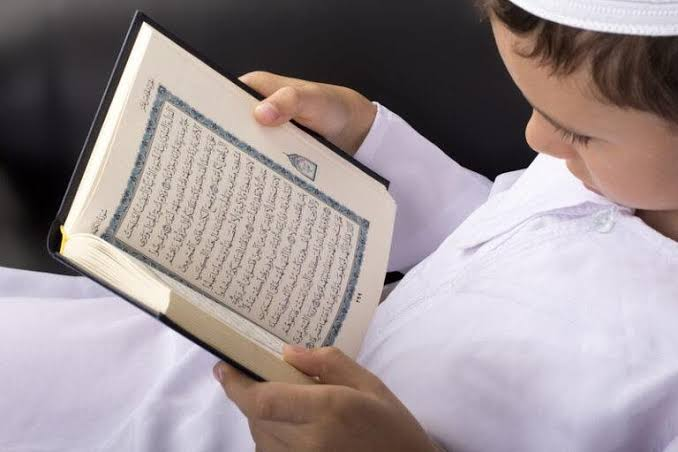
2. Difficulty Pronouncing Specific Arabic Letters
Every Arabic letter has a unique articulation point (Makhraj) and specific characteristics (Sifaat). Children who struggle with certain letters — such as د’, ص’, ع’, and ث’ — often show reduced clarity and meaning in their recitation. If your child frequently substitutes one letter for another, it’s a clear sign that their Quran Reading skills need targeted attention.
3. Inconsistent Application of Basic Tajweed Rules
When a child knows the rules but applies them inconsistently — sometimes stretching vowels correctly, sometimes not — it indicates that the rules haven’t been fully internalized. This is particularly common with rules like:
- Ghunnah (nasalization)
- Idgham (merging letters)
- Proper vowel length (Mad)
The principles of Tajweed require consistent practice to become second nature. Without proper reinforcement, these gaps can become ingrained habits that are harder to correct later.
4. Pronunciation Errors That Change Meaning
This is the most serious sign. When mispronouncing a letter or vowel alters the meaning of a verse, it falls under Lahn Jali (clear error). Making this type of mistake is considered more significant because it changes the divine message. If your child regularly makes errors that affect meaning, immediate intervention is essential.
Our Online Quran Reading Course is specifically designed to catch and correct these errors early, ensuring your child recites with accuracy and confidence.
5. Short Attention Span and Disengagement During Quran Time
Children naturally have shorter attention spans — even 5–10 minutes of focus is enough to begin learning Tajweed. However, if your child consistently shows disinterest, resistance, or struggles to focus specifically during Quran practice, it may indicate that the current approach isn’t working for them.
The Key Is Engagement, Not Pressure
When children enjoy repeating sounds and words, they naturally develop phonetic awareness — the foundation of Tajweed learning. If your child finds practice tedious, it’s worth exploring more engaging methods, such as:
- Using Tajweed color-coded materials
- Keeping sessions short and positive
- Celebrating small wins to build confidence
What to Do If You Notice These Signs
Recognizing these signs is the first step. The next is taking gentle, consistent action. Here’s how you can help your child:
- Start a free trial — Experience how structured, one-on-one guidance can transform your child’s recitation
- Keep sessions short — 5–10 minutes daily is more effective than long, infrequent sessions
- Focus on encouragement — Correct mistakes gently and celebrate effort
- Use engaging tools — Interactive materials keep children motivated
Sign up today to learn Quran online with expert tutors. Our Online Quran Classes for Kids are designed to be engaging, interactive, and effective — because every child deserves to recite Allah’s words beautifully and correctly.
Frequently Asked Questions
1. At what age should children start learning Tajweed?
Tajweed readiness depends on the child, not age. Signs include recognizing Arabic letters, showing interest in recitation, focusing for short periods, and enjoying repeating sounds.
2. What are common Tajweed mistakes children make?
Common issues include incorrect letter pronunciation (Makhraj), inconsistent vowel stretching (Mad), and improper application of rules like Ghunnah and Idgham.
3. How can I help my child practice Tajweed at home?
Keep sessions brief (5–10 minutes), use positive reinforcement, and consider Tajweed color-coded materials to make rules visually clear.
4. Is learning Tajweed obligatory for children?
Yes, applying Tajweed rules (the practical recitation) is considered fardh ‘ain — an individual obligation — for anyone who recites the Quran, including children learning to read.
5. What if my child finds Tajweed boring?
Engagement is key. Use interactive tools, celebrate small achievements, and try our Learn Quran Online for Kids program where expert tutors make learning enjoyable through games and visual aids.
Is your child struggling with Tajweed? Don’t let small errors become lifelong habits.
At Quran Focus Academy, our expert male and female tutors provide personalized, one-on-one guidance to help your child master Tajweed rules with confidence and fluency. Through engaging, interactive sessions tailored to your child’s unique learning pace, we turn Quran recitation into a joyful and rewarding experience. Check out our Noorani Qaida Course!