

Some stories stay with you forever. This is one of them.
It’s a story the Prophet Muhammad ﷺ himself told — a tale so powerful that it was revealed in the Quran as a warning to oppressors and a beacon of hope for the faithful. It’s the story of the People of the Ditch (Ashab al-Ukhdud), and it speaks directly to anyone who has ever felt their faith tested by the world around them.
For those seeking to learn Quran online, this narrative isn’t just history. It’s a masterclass in conviction, sacrifice, and the unbreakable spirit of those who refuse to abandon their belief — even when the flames rise around them.
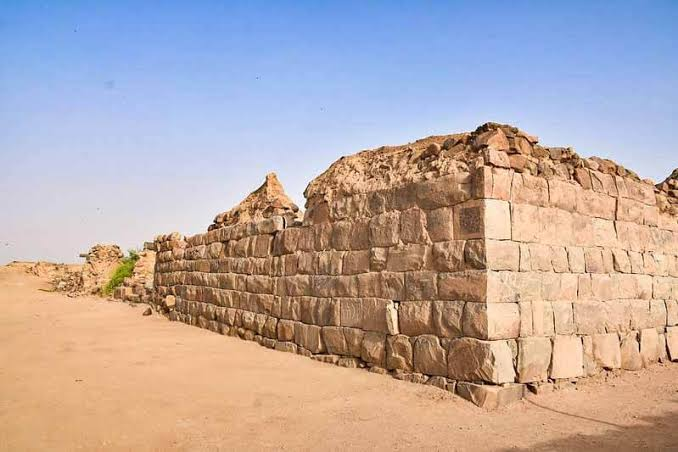
The Beginning: A Boy, a Sorcerer, and a Monk
The story begins with a king who had a sorcerer. When the sorcerer grew old, he asked the king to send him a young boy to train in the art of magic. The king obliged, and the boy began his journey to the sorcerer’s dwelling.
But on his way, the boy passed by a monk — a righteous worshipper of Allah. Curious, the boy would sit with him and listen to his words. The monk’s teachings touched something deep within the boy’s heart.
The boy found himself torn between two worlds: the sorcerer’s demands and the monk’s spiritual guidance. When the sorcerer beat him for being late, the boy complained to the monk. The monk advised him: “When you fear the sorcerer, say ‘My family kept me busy.’ And when you fear your family, say ‘The sorcerer kept me busy.'”
This small act of cleverness allowed the boy to continue learning from both — but his heart was being drawn toward the truth.
The First Miracle: A Beast Blocking the Road
One day, as the boy traveled, he encountered a great beast that had blocked the path of the people. No one could pass. The boy, seeing this as a moment of truth, picked up a stone and prayed:
“O Allah, if the monk’s way is more beloved to You than the sorcerer’s, then kill this beast so the people may pass.”
He threw the stone, and the beast fell dead. The people passed freely.
The boy rushed to the monk and told him what had happened. The monk’s response is one of the most profound moments in the story:
“O my son, today you are better than I. You have reached a level I can see. And you will be put to trial. When you are tried, do not inform anyone about me.”
The monk recognized that the boy’s faith had surpassed his own. He also knew that persecution was coming.
The Miracles That Shook a Kingdom
The boy continued to grow in faith and power. He began curing the blind and the leper — ailments no physician could touch.
Word reached a blind courtier of the king, who came to the boy with gifts and begged for healing. The boy’s response was a declaration of pure Tawheed:
“I do not cure anyone. It is Allah who cures. If you believe in Allah and call upon Him, He will cure you.”
The courtier believed. Allah cured him.
When the king discovered that his own courtier had abandoned the royal religion, he tortured him until the courtier revealed the boy’s identity. The boy was brought before the king, who demanded he renounce his faith. The boy refused.
The king then tortured the boy until he revealed the monk. The monk was brought, and when he refused to recant, the king ordered a saw placed on his head. The monk was cut in two.
The courtier suffered the same fate. Both died with their faith intact.
When Mountains Move and Seas Part
The king then turned to the boy. He was handed over to soldiers who were ordered to take him up a mountain and throw him from the peak if he refused to apostatize.
The boy prayed: “O Allah, save me from them by anything You wish.”
The mountain shook. The soldiers fell to their deaths. The boy walked back to the king.
The king sent him with soldiers on a boat to the middle of the sea. Again, the boy prayed. The boat capsized. The soldiers drowned. The boy walked back to the king.
At this point, the boy made a stunning declaration to the king:
“You cannot kill me until you do what I command. Gather the people in one plain, tie me to a tree trunk, take an arrow from my quiver, and say: ‘In the name of Allah, the Lord of the boy.’ Then shoot.”
The king did exactly as instructed. He shot the arrow, and it struck the boy’s temple. The boy died — but as he died, the people witnessed something extraordinary.
The Fire That Failed
The people, seeing the boy’s death and the miracles that preceded it, cried out with one voice:
“We believe in the Lord of the boy! We believe in the Lord of the boy!”
The king’s plan had backfired spectacularly. Instead of eliminating faith, he had ignited it in the hearts of thousands.
Enraged, the king ordered ditches dug across the paths and fires lit within them. Those who refused to renounce their faith were thrown into the flames.
A woman came with her infant, hesitant to jump into the fire. But the baby spoke:
She jumped. She died a martyr.
The Quran’s Eternal Warning
This story is immortalized in Surah Al-Buruj (The Great Constellations):
“Cursed were the companions of the ditch — the fire well-supplied with fuel — when they sat by it and they were witnesses to what they did to the believers. And they resented them not except because they believed in Allah, the Almighty, the Praiseworthy.” (Quran 85:4-8)
The oppressors thought they were watching the faithful burn. But in truth, they were watching the faithful being forged into eternal legends.
What This Story Means for You
This isn’t just a historical account. It’s a mirror for every believer who has ever felt the heat of opposition. It answers a question every Muslim faces at some point: What do I do when the world demands I compromise my faith?
The boy’s story teaches us:
True power belongs to Allah alone. The king had armies, fire, and absolute authority. The boy had a stone and a prayer. But the mountains obeyed the boy’s supplication. The sea swallowed the king’s soldiers. When Allah is with you, no earthly power can prevail.
Trials are inevitable, but they’re not the end. The monk warned the boy: “You will be put to trial.” Faith doesn’t exempt us from hardship. It prepares us for it. The test of the ditch came, and the faithful faced it with courage that defied human logic.
Death is not defeat. The boy died by the king’s arrow. But that death sparked the conversion of an entire nation. The woman died in the fire, but the Quran enshrines her sacrifice. When you die for the truth, you live forever in the memory of Allah.
The Quran is your anchor. This story is preserved for us because Allah wanted us to know it. He wanted us to see that persecution has always targeted the faithful — and that faith has always outlasted its oppressors. Learning the Quran isn’t just about memorizing verses. It’s about absorbing the courage of those who came before us.
At Quran Focus Academy, we believe that stories like this one transform the way we read the Quran. When you understand the context, the trials, and the triumphs of the believers, every verse comes alive. Our Online Quran Classes for Adults and Online Quran Classes for Kids are designed to help you connect with the Quran’s timeless lessons — not just recite them, but live them.
Sign up today to learn Quran online with expert tutors. Your journey to a deeper, more resilient faith begins here.
Frequently Asked Questions
1. What is the story of the People of the Ditch (Ashab al-Ukhdud)?
It’s a Quranic story (Surah Al-Buruj) about a boy who embraced faith in Allah, performed miracles, and refused to renounce his belief. A king tried to execute him, which sparked mass conversion. The king then burned believers alive in ditches of fire — but faith prevailed.
2. Is this story mentioned in Sahih Muslim?
Yes. The story is narrated in Sahih Muslim (Hadith 3005) by Suhaib ibn Sinan, directly from the Prophet Muhammad ﷺ.
3. What lessons can Muslims learn from this story?
It teaches unwavering faith under persecution, reliance on Allah alone, the reality of trials for believers, and the ultimate triumph of truth over tyranny.
4. Why is Surah Al-Buruj important for Quran learners?
Surah Al-Buruj directly addresses oppression and perseverance. It’s a powerful reminder that Allah witnesses all injustice and that the faithful will be rewarded eternally.
5. How can I learn more about Quranic stories online?
Enroll in a structured Online Quran Reading Course or Islamic Studies program that covers Tafseer and the stories of the Quran. Quran Focus Academy offers personalized one-on-one sessions with qualified tutors.